

Artist by nature.Engineer by training.Worldbuilder by profession.
And living proof that refusing to pick a side can become a surprisingly useful business model.
Many worlds.
A selection of brands, institutions, productions and creative partners I have worked for or with.






.svg)







The whole conceptual& visual journey.No department handovers.
No loss in translation.
I understand the system. Then I build the image — across every discipline it needs.
Find the sentence everything else can follow.
Positioning, creative concepts, campaign ideas and visual systems — including the one sentence everyone can finally agree on.
Make the idea recognisable.
Brand identities, key visuals, editorial design, presentations and digital experiences — built to work beyond the first beautiful mock-up.
Build the world around it.
Concept art, modelling, materials, lighting, rendering and virtual environments. Making things that do not exist look suspiciously real.
Give it time, movement and a final frame.
Animation, VFX, compositing, motion design and final delivery — without handing the idea over at the interesting part.
I develop the visual core myself — from positioning and design to 3D, motion, VFX and the final frame. When a production needs more scale, I bring in trusted specialists — without ever outsourcing the idea. Not because every project should be a one-woman show, but because ideas grow stronger when strategy, image and execution share the same direction.
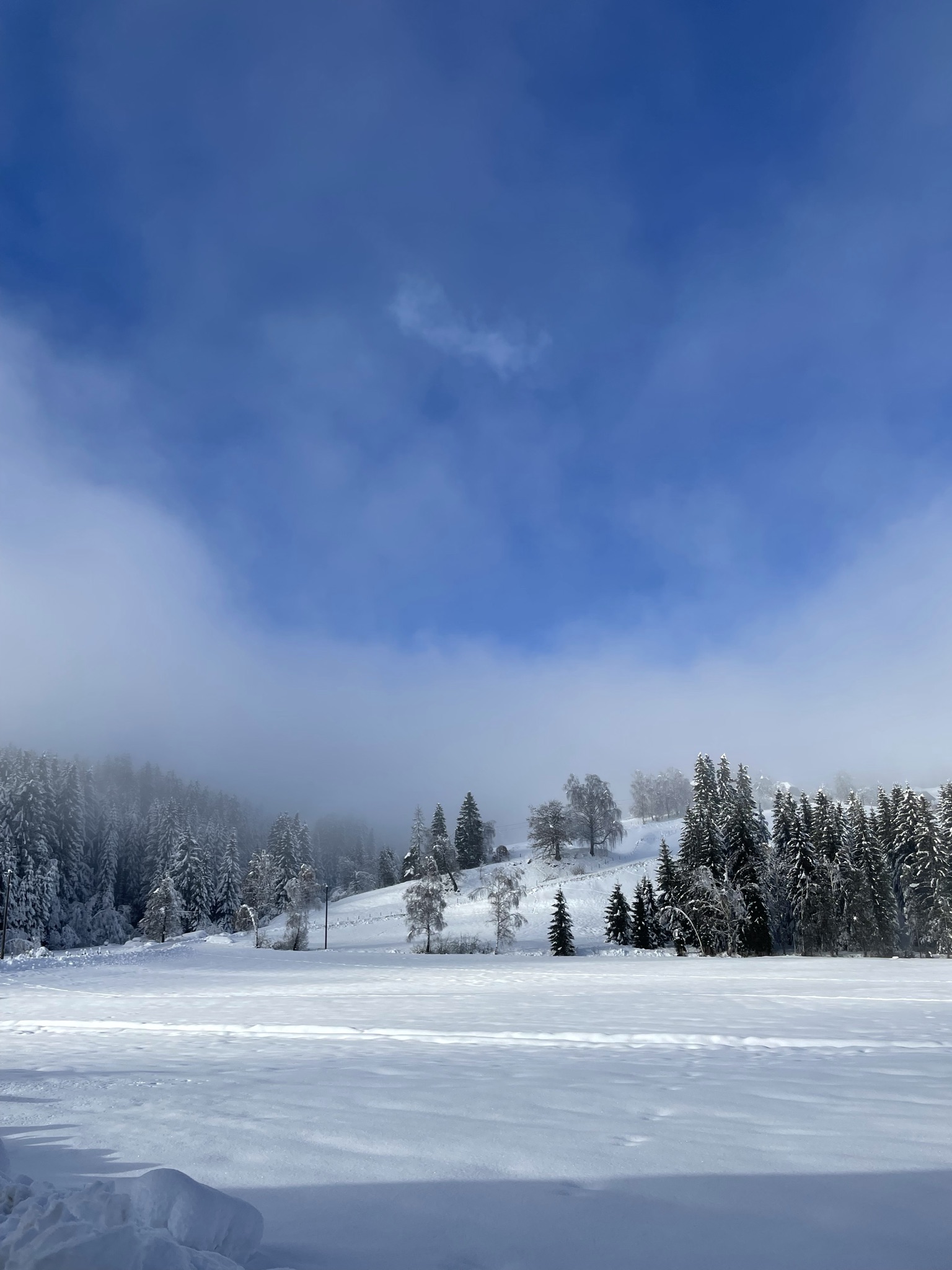
There was exactly one app back then. It was called Outside.
Long story short: I grew up between cows, woods and mountains, wrote my first line of code at thirteen, and never quite managed to decide which half of my brain to give the lead — technical or creative. The long version involves escaped cows, a Commodore 128 and a teacher who called me Alice in Wonderland — open at your own risk.
Growing up in the forest+
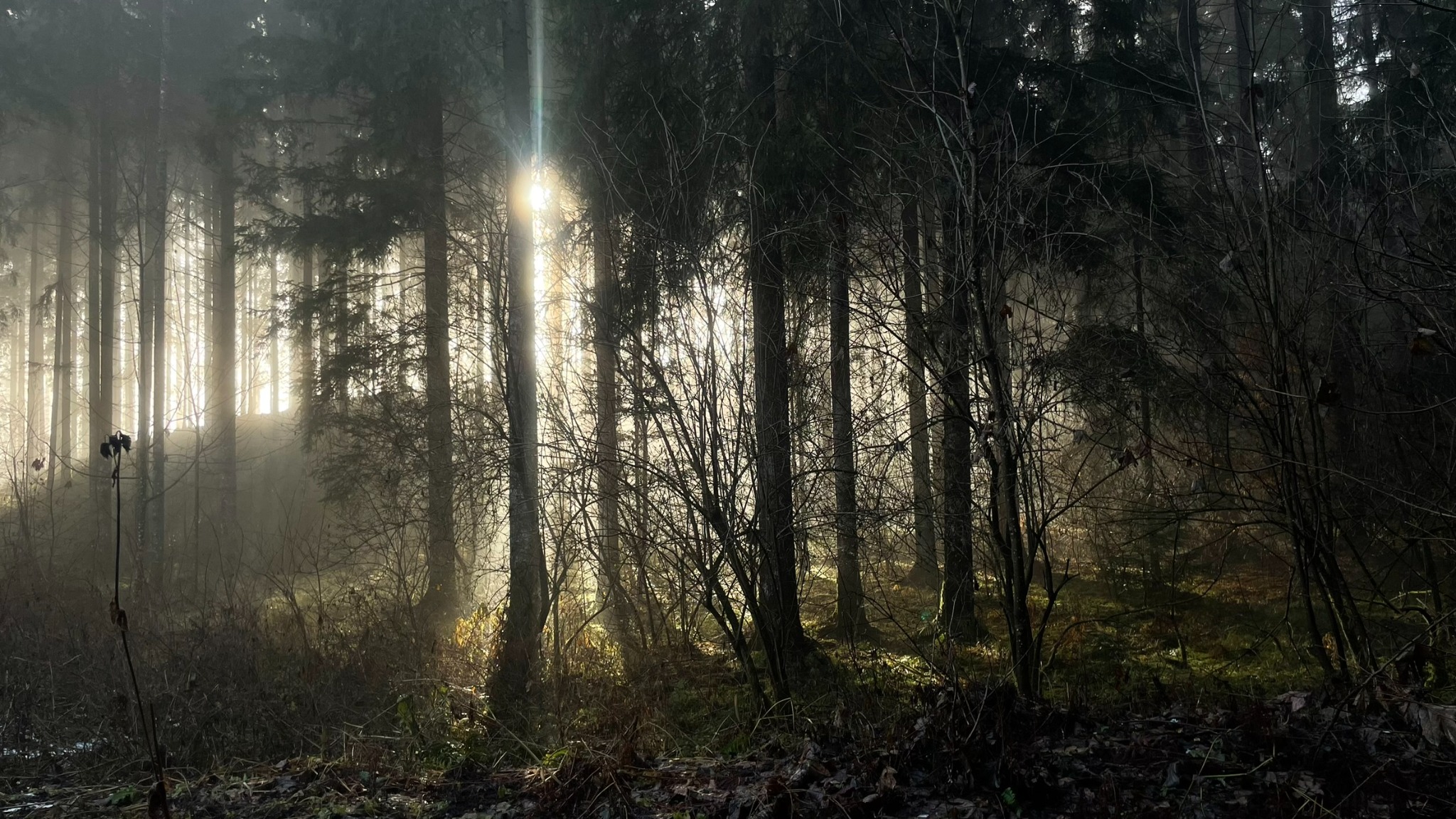
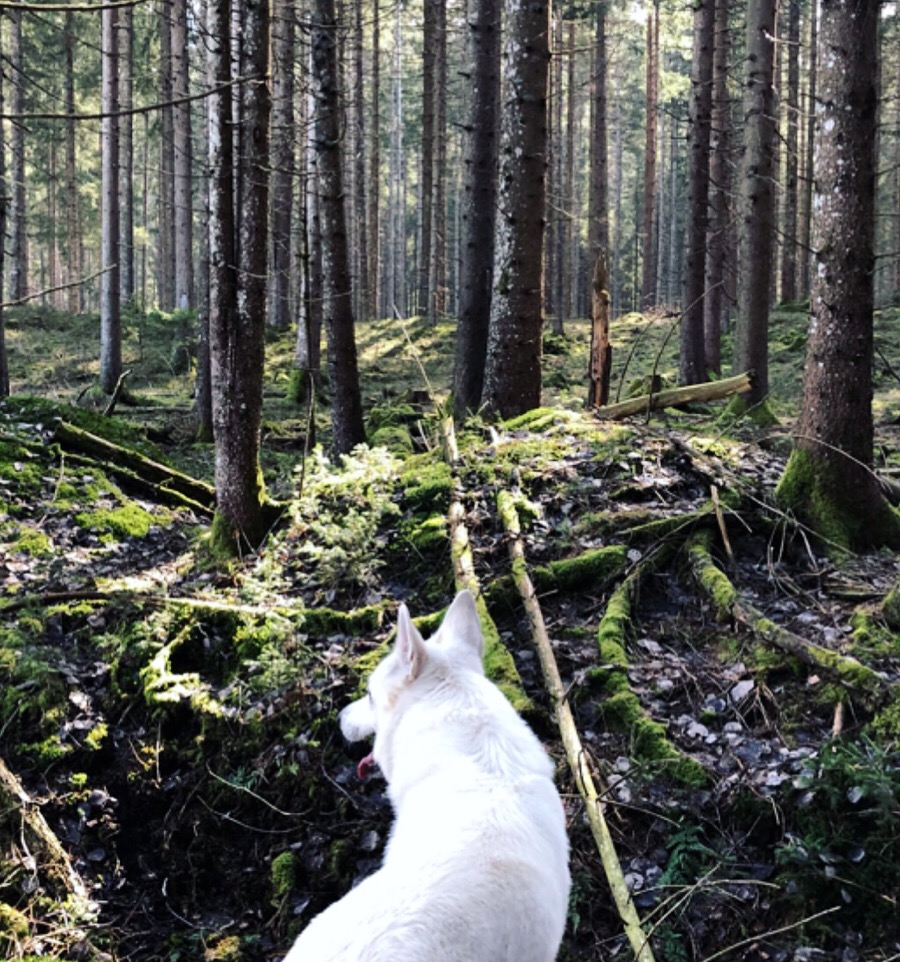
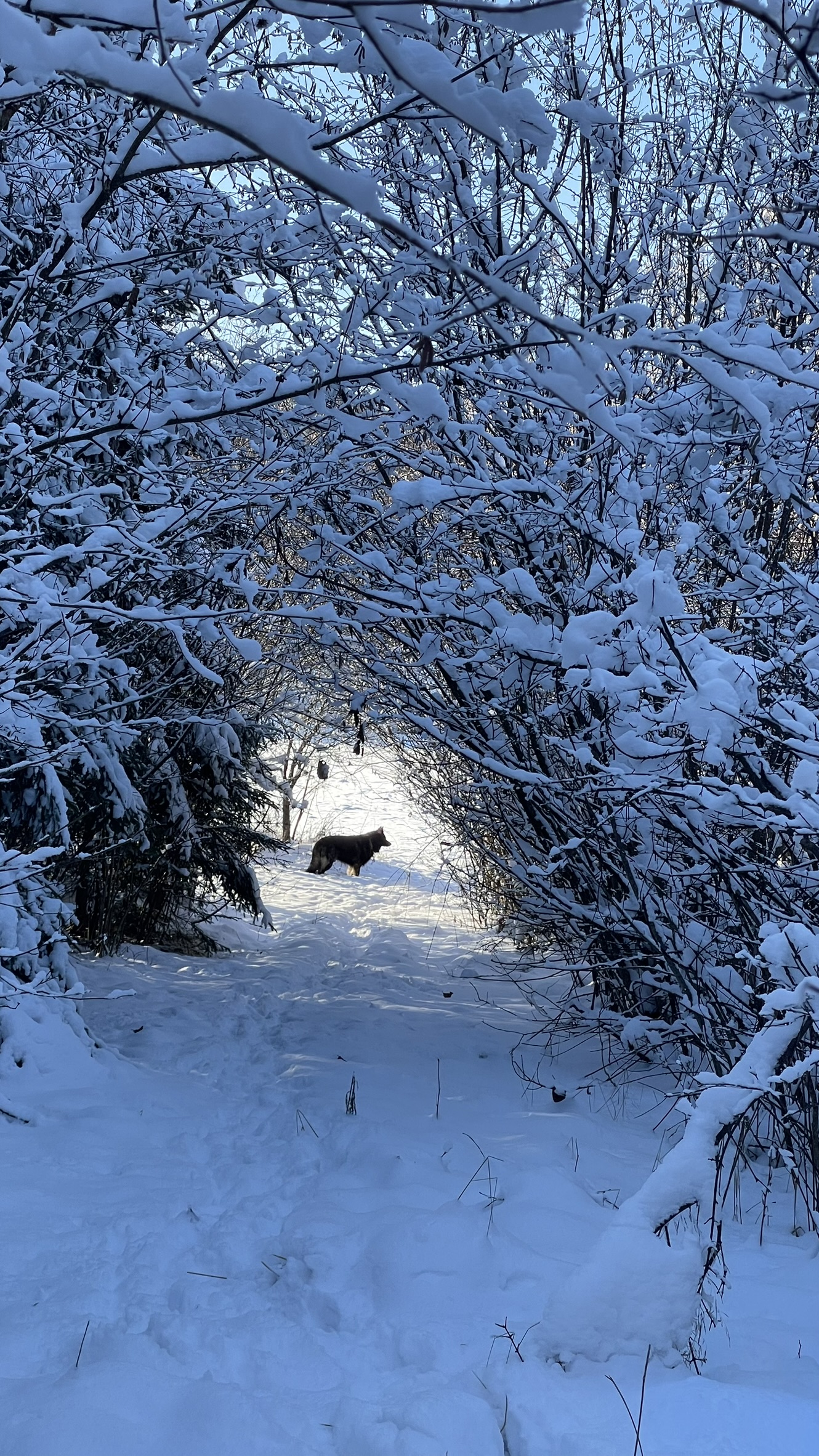
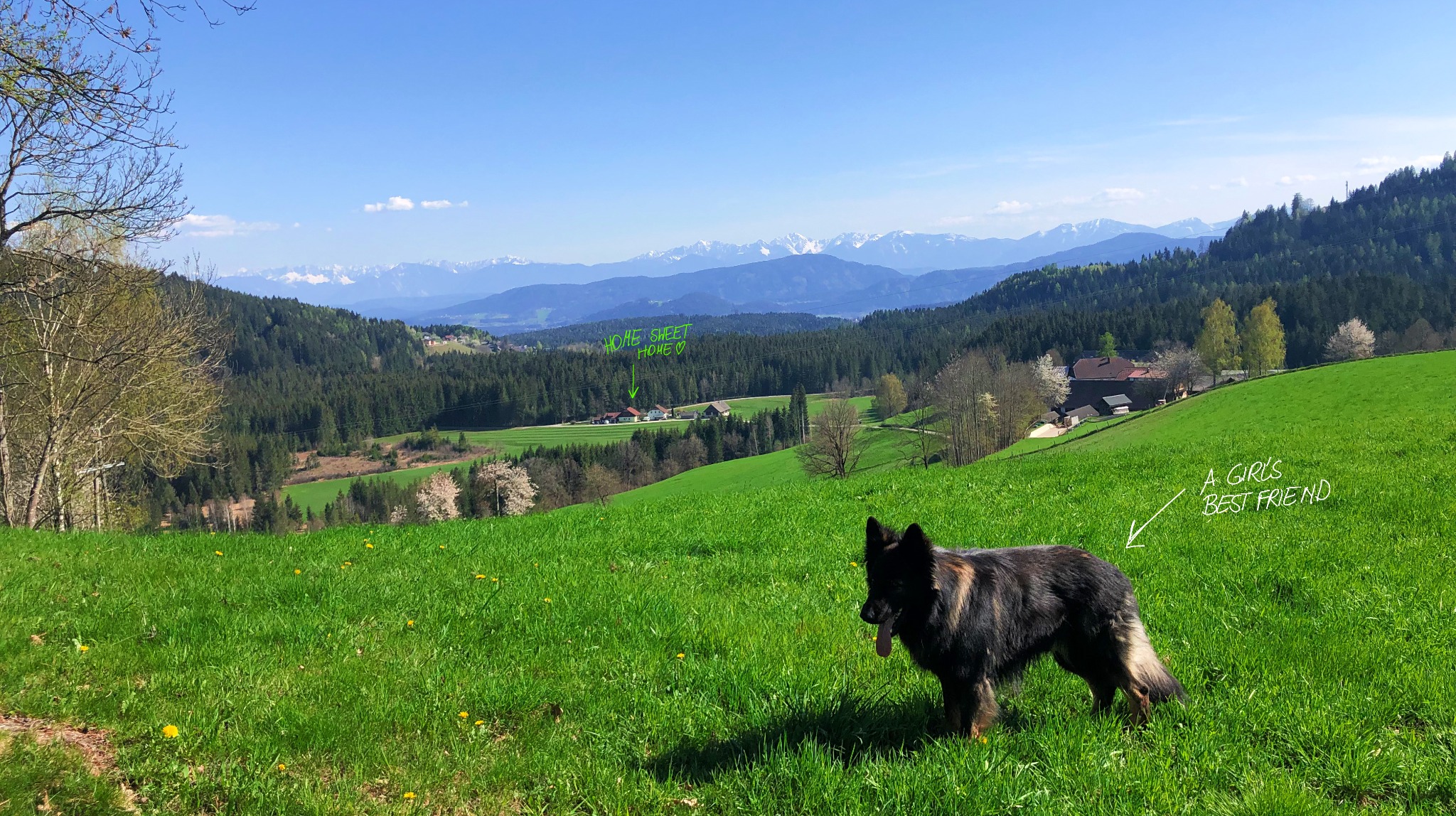
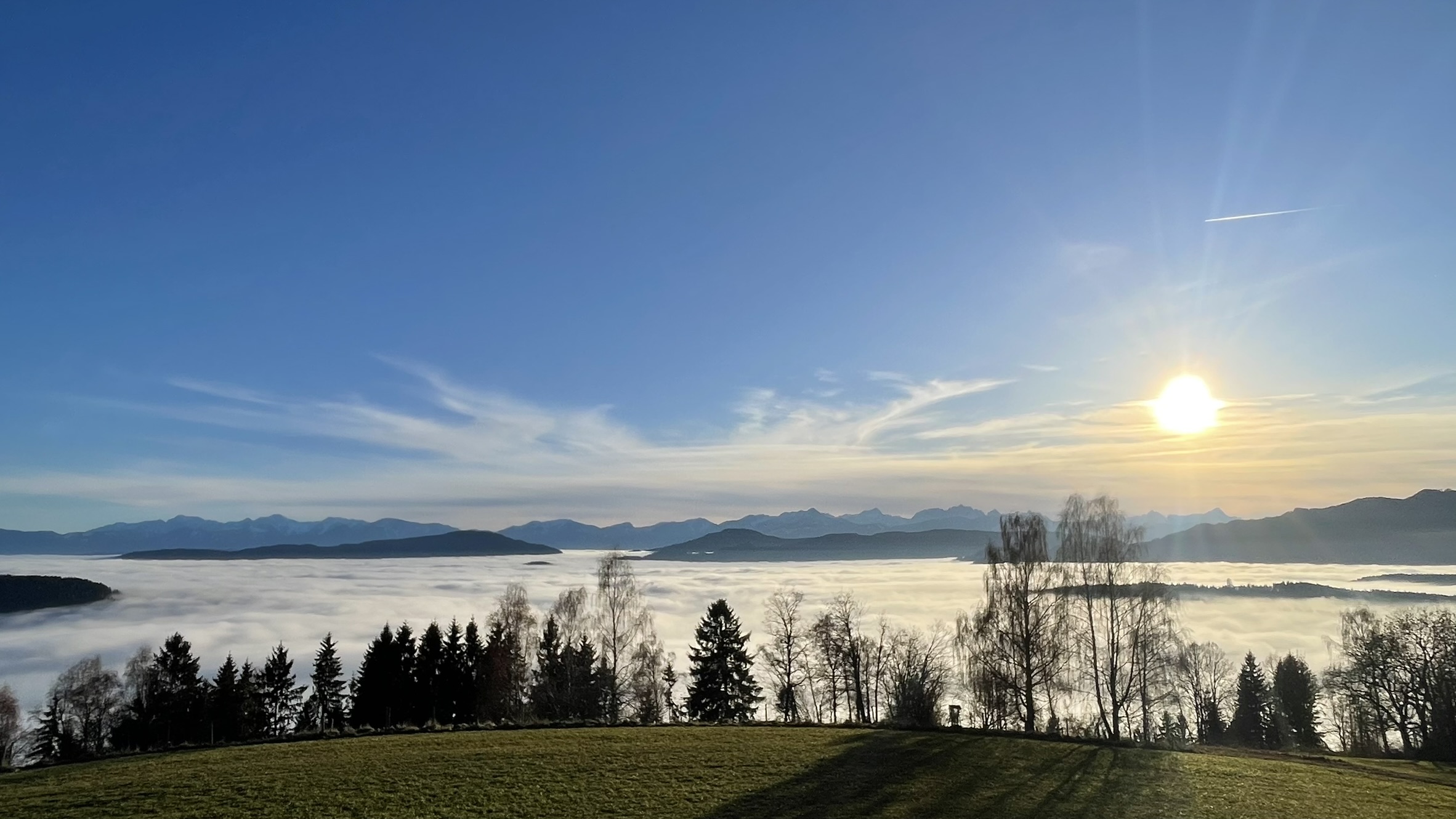
I grew up on a clearing in the mountains of southern Austria — half an hour from Italy and Slovenia (Austria — not Australia — no kangaroos). Just three houses, surrounded by mountains, forest, meadows and cows that occasionally staged a jailbreak. The barefoot search party was my sister and me.
Yep — this was pre-internet and pre-mobile phone. There was exactly one app. It was called Outside. The graphics were impressive (Real Time Fog). The user interface was mostly mud.
I spent entire days turning the riverbed into a city of stones. My sister occasionally participated, mostly in the role of a resident with limited freedom of movement.
Maybe spending entire days in the woods does something to the imagination. My head was constantly full of stories, images and entire worlds that needed somewhere to go. I drew constantly, invented characters and regularly disappeared into whatever I was imagining — often with more commitment than whatever was happening in the classroom. One teacher called me Alice in Wonderland. She was not entirely wrong.
Circuits, charcoal & other early influences+
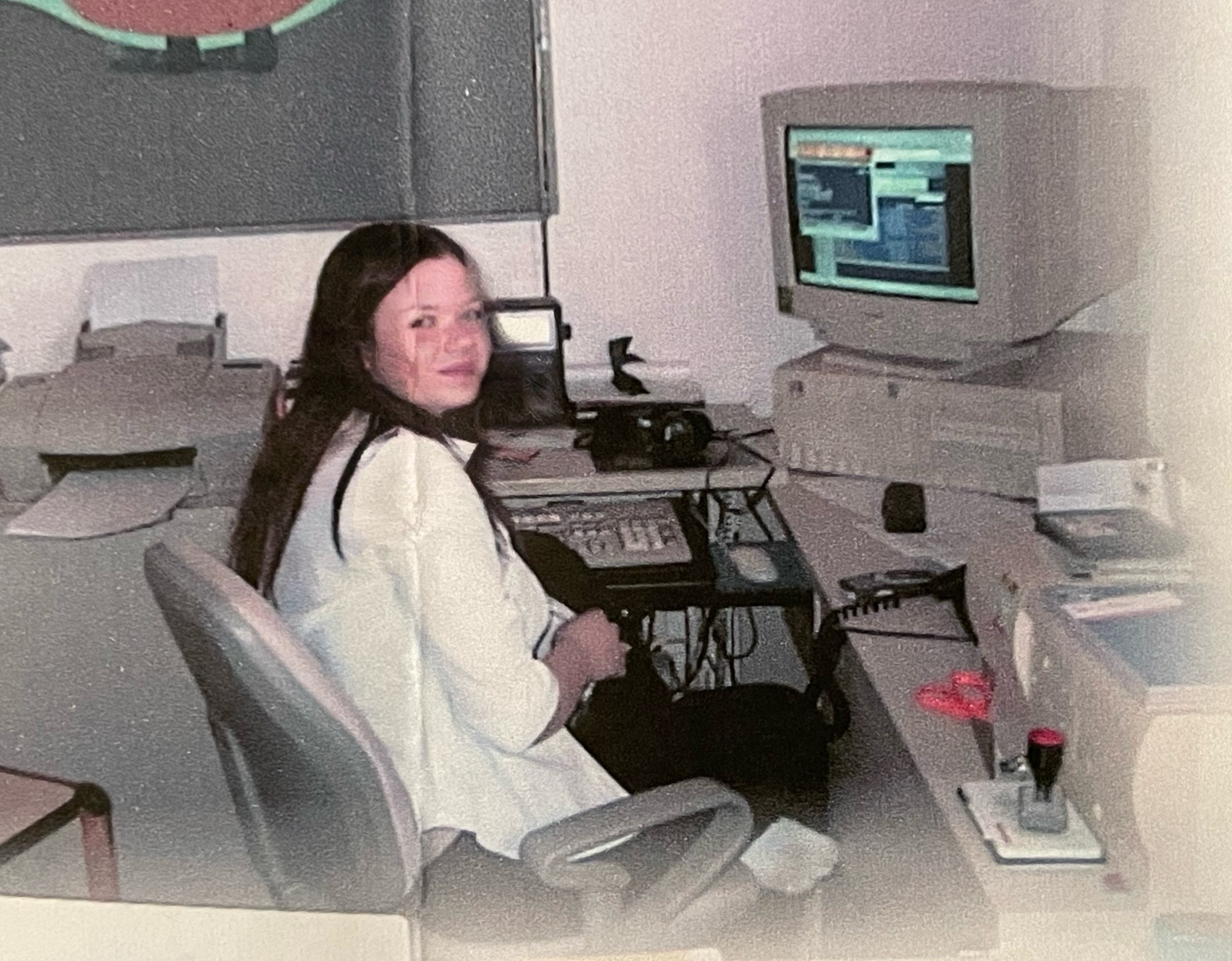
Technology entered the story early, courtesy of a father with a rather contagious enthusiasm for anything involving circuits, cables or a blinking light. There was a C128, later a 40 MHz PC, MS Paint and a box full of floppy disks. At around thirteen, he taught me how to write my first computer program. This may have been the point of no return.
The C128 is still at my parents’ house, technically retired but emotionally available for Boulder Dash.
The urge to get all those images out of my head led me through charcoal, pastels, scratchboard, a novel and even classical singing before digital art finally gave me the medium I had been looking for.
3D brought the two halves together: one imagining the impossible, the other calculating how to build it. It combines imagination with construction, aesthetics with technology and creative freedom with exactly the right amount of technical problem-solving.
Gravity is optional, weather is negotiable and the camera is not bound by real-life physics. Your imagination is limited mainly by the number of GPUs at your disposal — and you can never have enough CUDA cores.
Two sides. Neither won.+
The creative and technical sides were both there from the beginning. The logical side was later trained in software development. The creative one remained largely unsupervised. Fortunately, neither side ever won.
I can move between abstract ideas and structured thinking, combine them or let one challenge the other, depending on what a project needs. I see both the image and the mechanism behind it — what something could become, how it needs to work and where the weak or missing parts are likely to hide.
That combination is probably my greatest strength. Programmer thinking taught me to look at a problem and automatically run through the best case, the worst case and every inconvenient possibility in between. It allows me to understand complex systems from a bird’s-eye perspective, structure information and processes, identify missing or weak parts and turn abstract subjects into narratives people can grasp quickly.
Give me an ambitious new project, an early-stage venture or a heroic stack of Word documents with inconsistent terminology, and I am entirely in my element. I love finding the central idea hidden inside the complexity, sharpening it and translating it into clear positioning, language, a brand world and visuals.
Education+
I studied Software Development and Business Organisation at the Higher Technical College in Villach, graduating with an engineering degree, followed by Media Technology and Design at the University of Applied Sciences in Hagenberg.
Work+
After four years in an advertising agency, I founded Phoenix Digital Arts in 2013 and became my own boss. I also teach at the University of Applied Sciences in Villach, sharing what I have learned through education, experience and a few highly instructive detours.
Since then, the work has taken me through three feature films, international campaigns and projects across a fairly improbable range of subjects — from carbon nanotubes and cryptocurrencies to start-ups, green screens, established brands, advertising and film.
Different industries, people and problems, but usually the same task underneath:
Understand the complexity, find the story and make it visible.
The experiment keeps proving the same thing:
You do not need to pick a side.
Tools change.The directionstays.
But an orchestra is not the music. Tools can render, simulate, generate and accelerate. They cannot decide what deserves to be made, what should remain silent or when the piece is finished.
So I keep the baton.
You are not hiring a software stack.
You are hiring judgement, experience and direction.
Some chaptersdeserve a closer look.
01Francis Ford CoppolaTwo days with a living legend.+
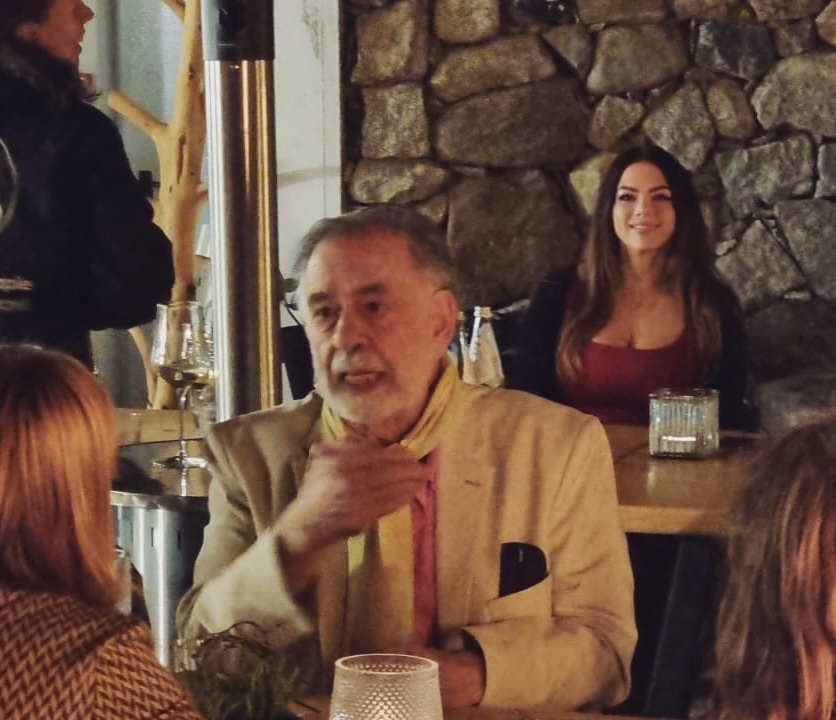
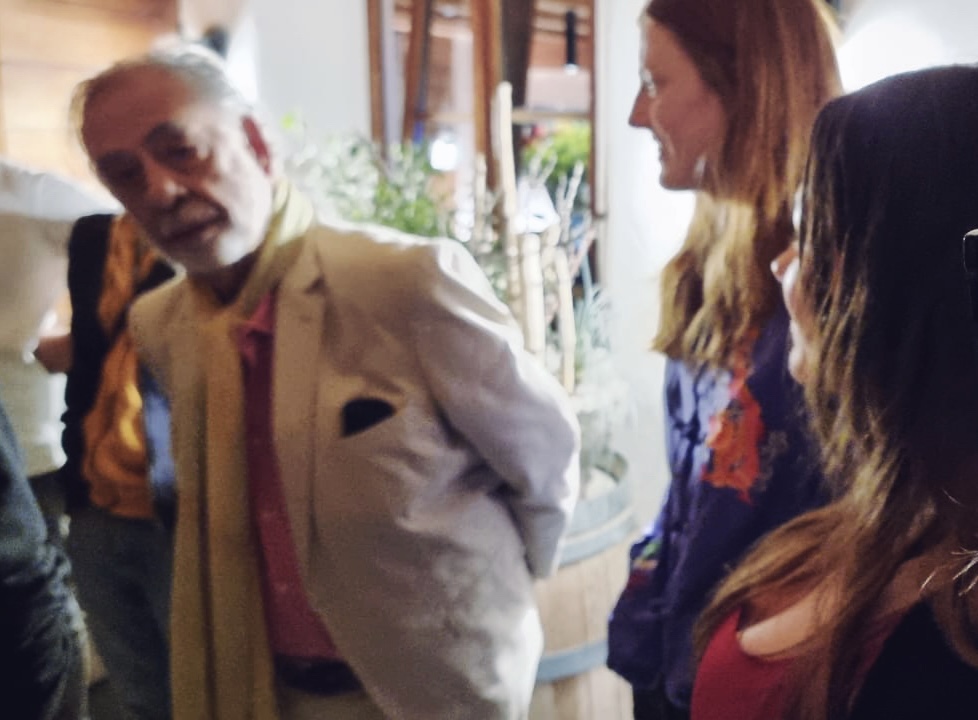
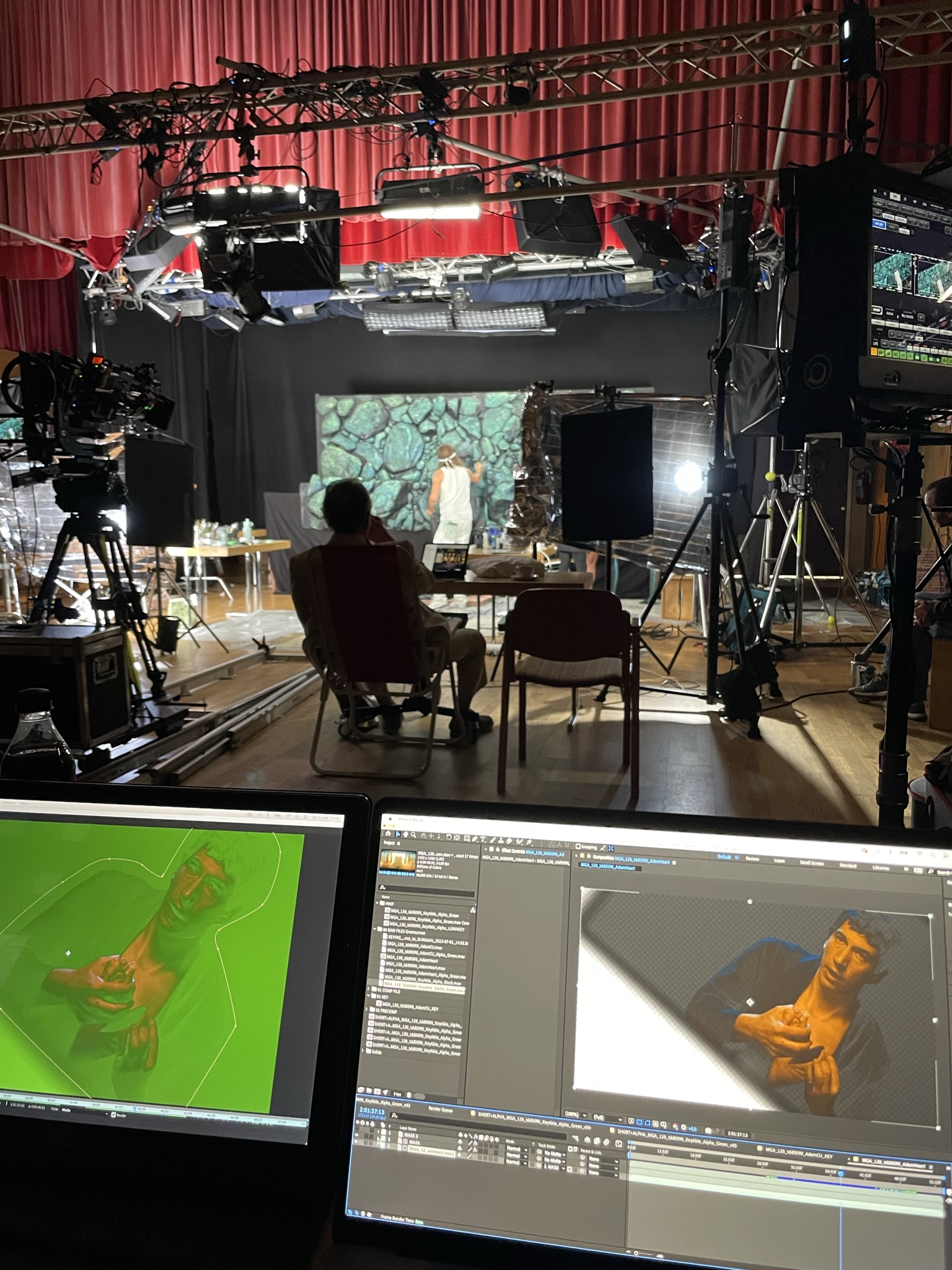
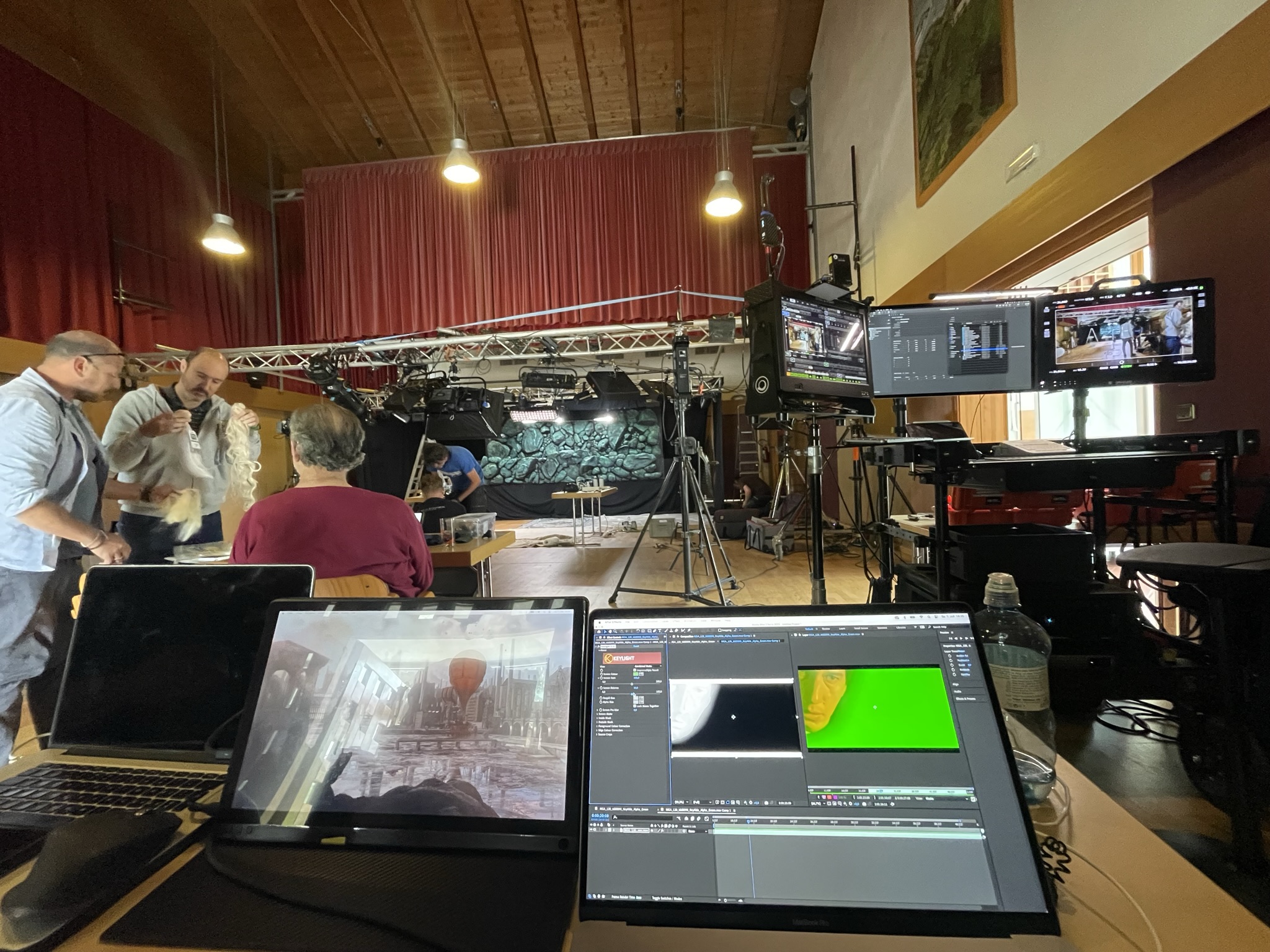
To experience him at work from such close range, not for a brief encounter but over two full days, was something I felt deeply honoured to be part of. Watching him think, question, decide and direct revealed the precision, instinct and curiosity behind a lifetime of extraordinary filmmaking.
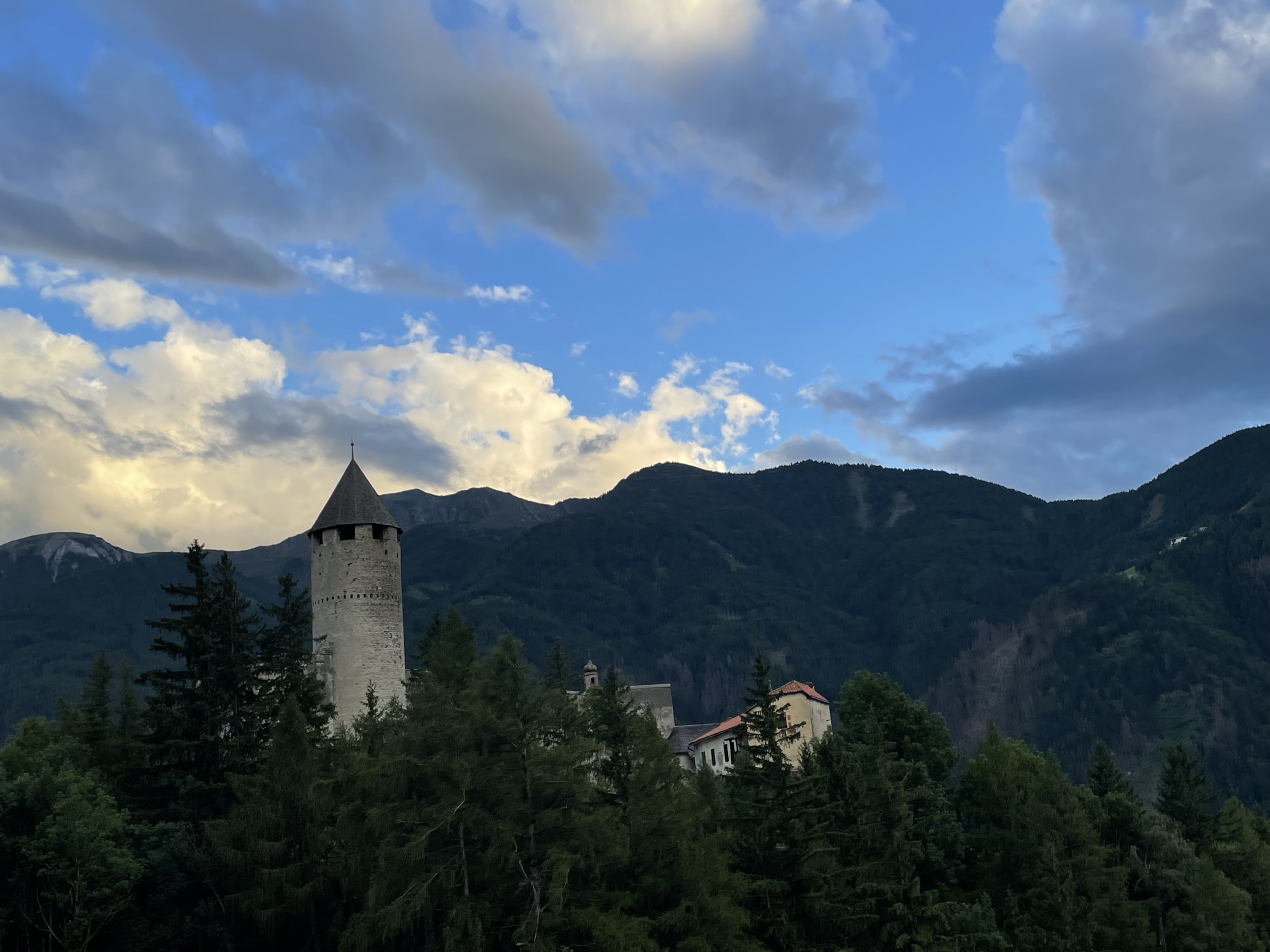
The experience continued beyond the set, with dinner together in a castle — a detail that still sounds slightly unreal. It was not simply a memorable production or an encounter with a famous director. It was the rare opportunity to witness a living legend at work, in a setting intimate enough to observe the person behind the body of work.
I was grateful, slightly overwhelmed — and determined to look entirely professional.
02Jama JurabaevThe fangirl moment turned into a collaboration with a legend.+
Jama Jurabaev is an absolute legend in concept art, with work on The Mandalorian, Ready Player One, Star Wars, Aladdin, Jurassic World: Fallen Kingdom — and, in my entirely objective professional opinion, a genuine concept-art rockstar.
I cannot recommend the course highly enough. Take a look at Jama’s Concept Art for Movies course.
After the course came one of the most exciting phone calls of my career: Jama asked whether I would join him and his team at Big Medium Small.
What a question. Who in this galaxy would say no? I felt a little like Rey in Star Wars: The Force Awakens when Han Solo offers her a job — except that I was attempting to sound calm, professional and entirely accustomed to receiving calls like this.
So I went from studying Jama’s creative process to developing brand identity and design for his company.
Apparently, studying the Force can lead to an invitation onto the ship.
03Zurich Film FestivalFrom render queue to Green Carpet.+
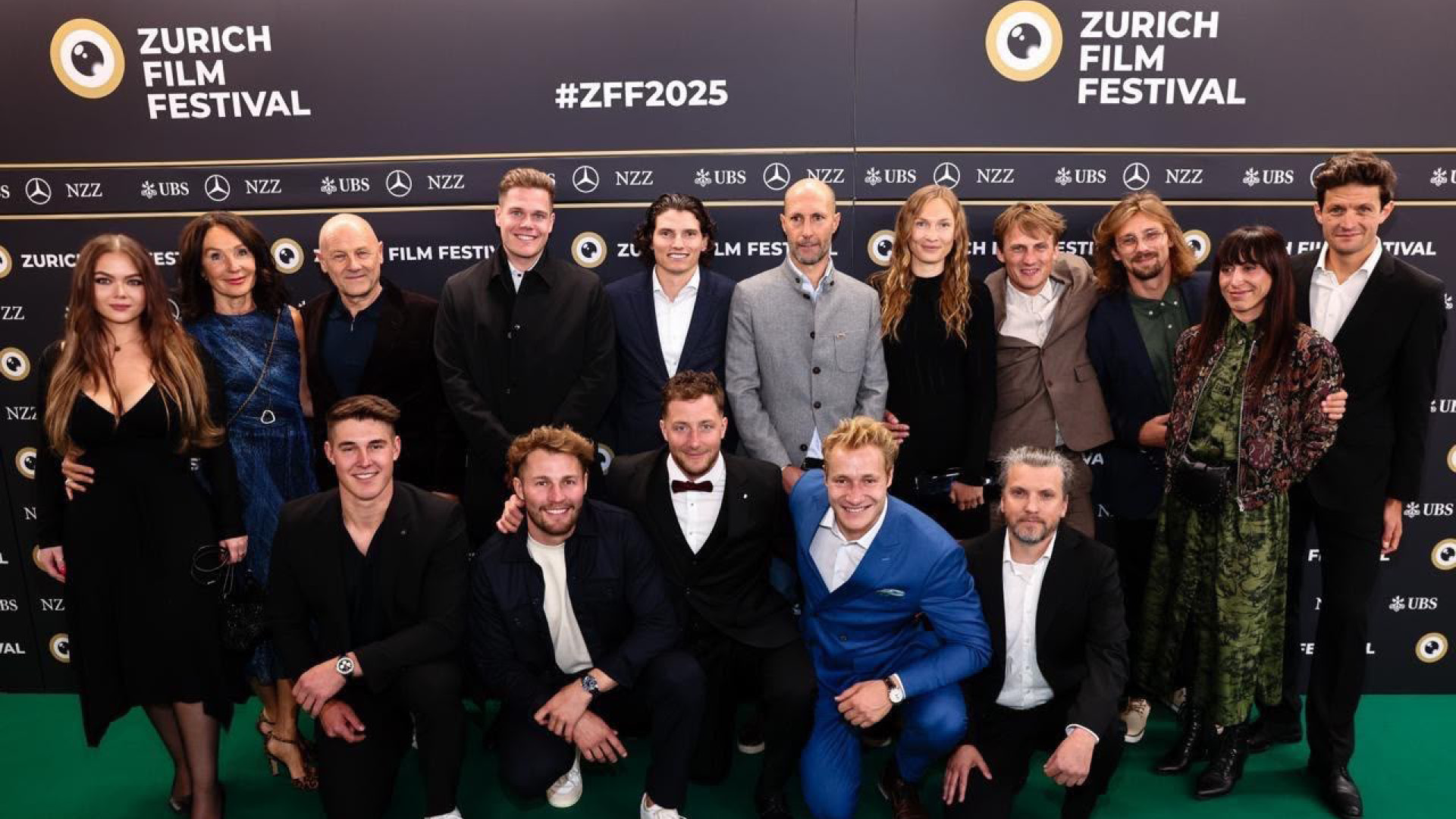
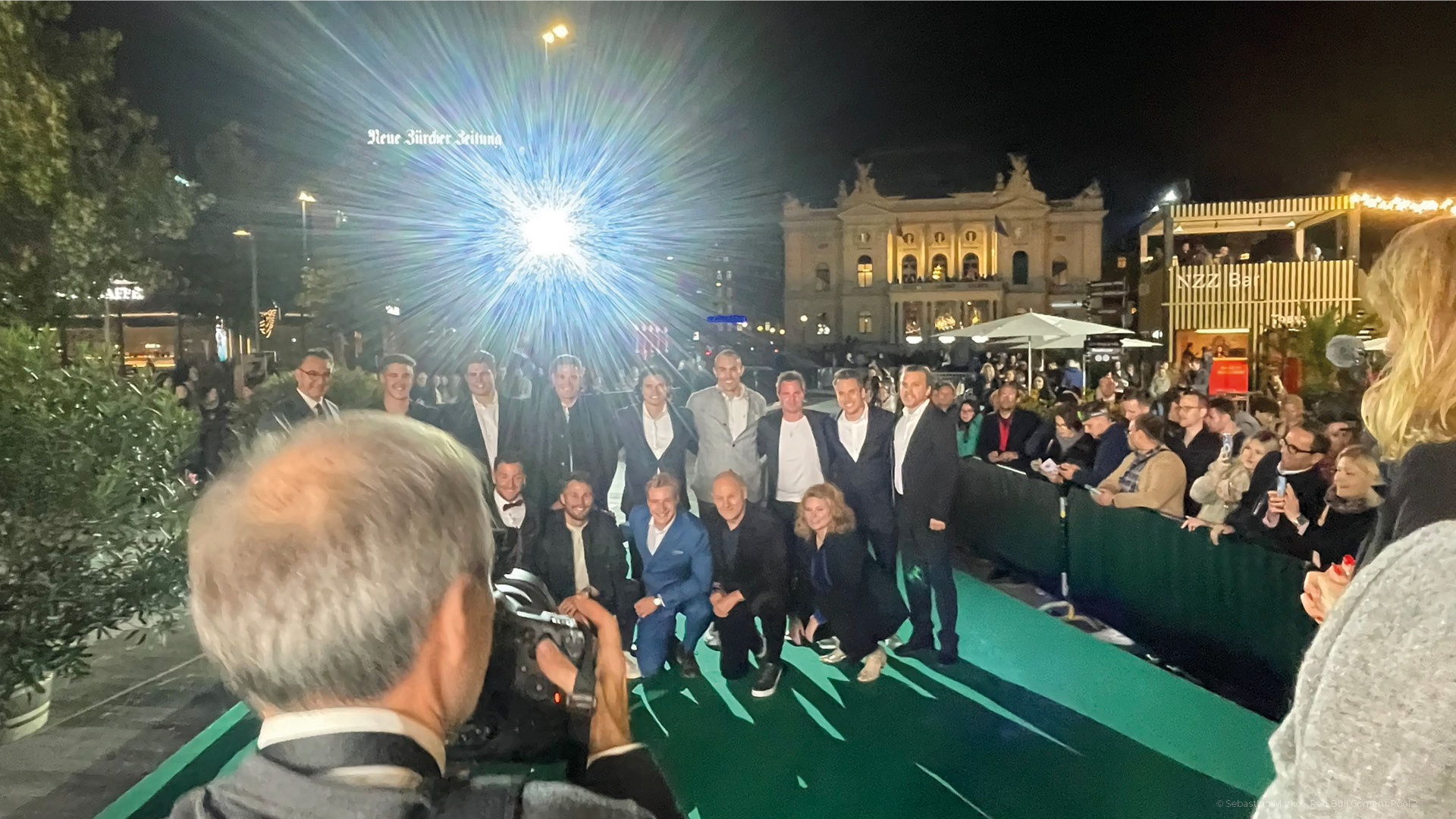
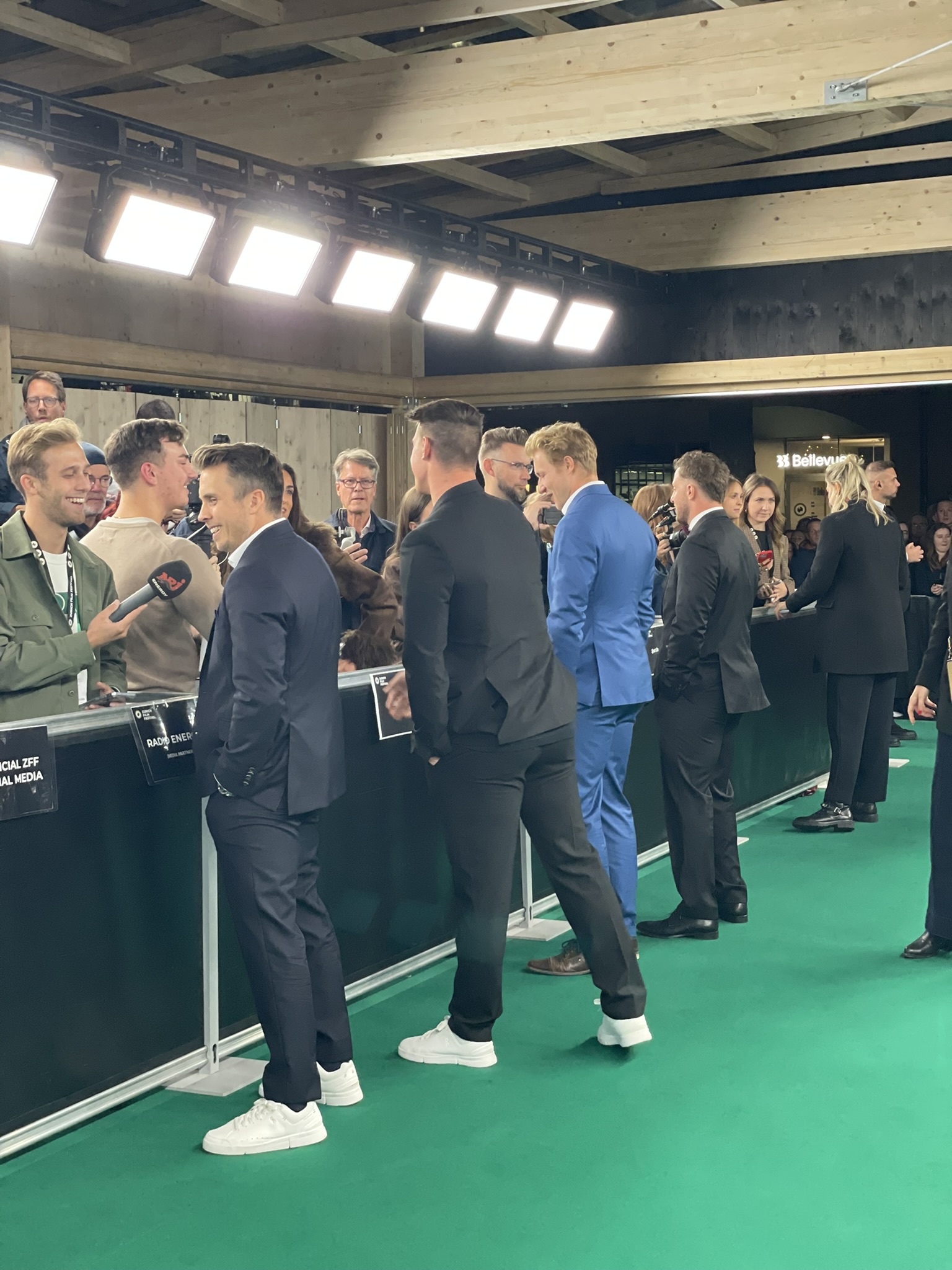
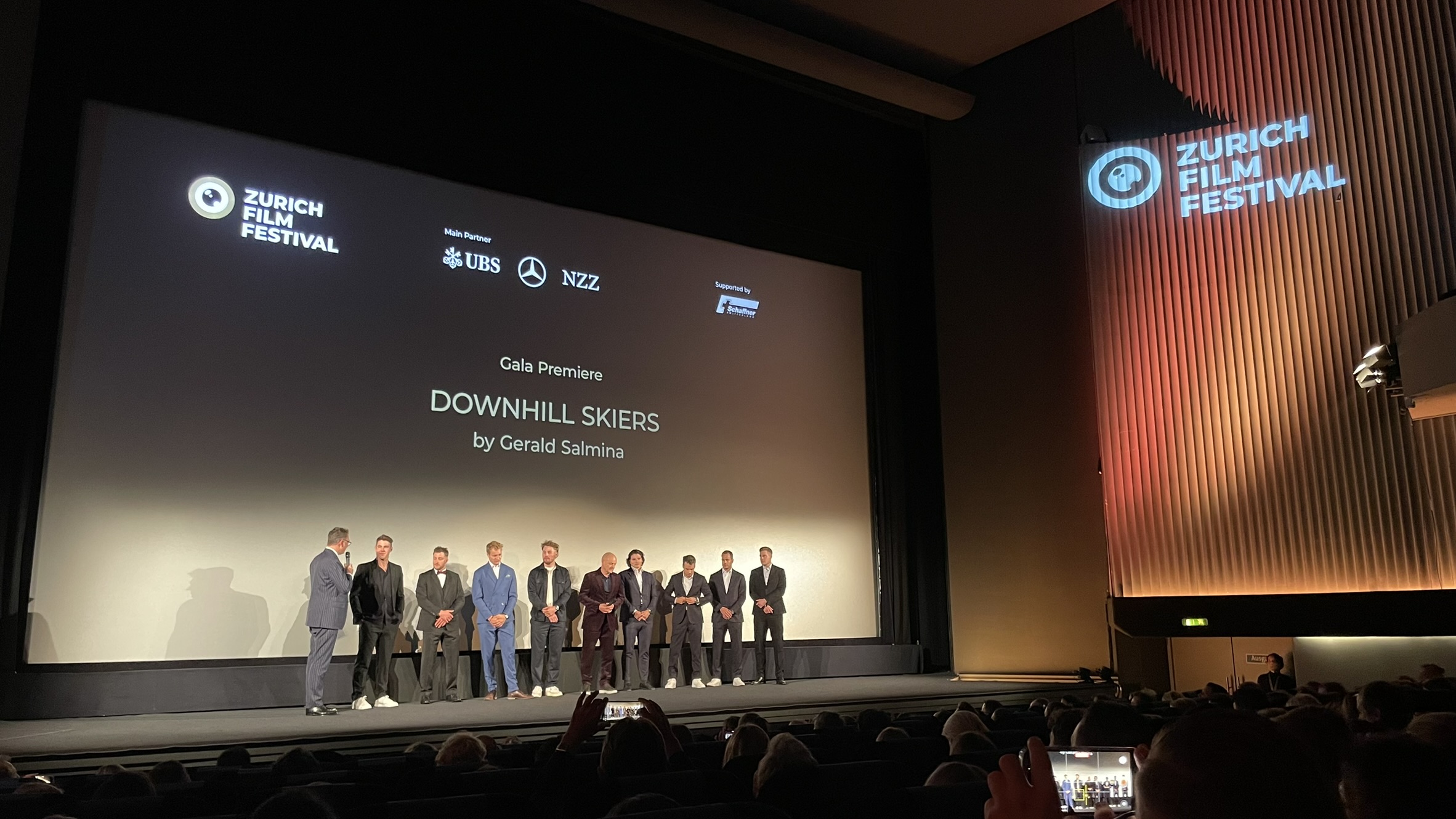
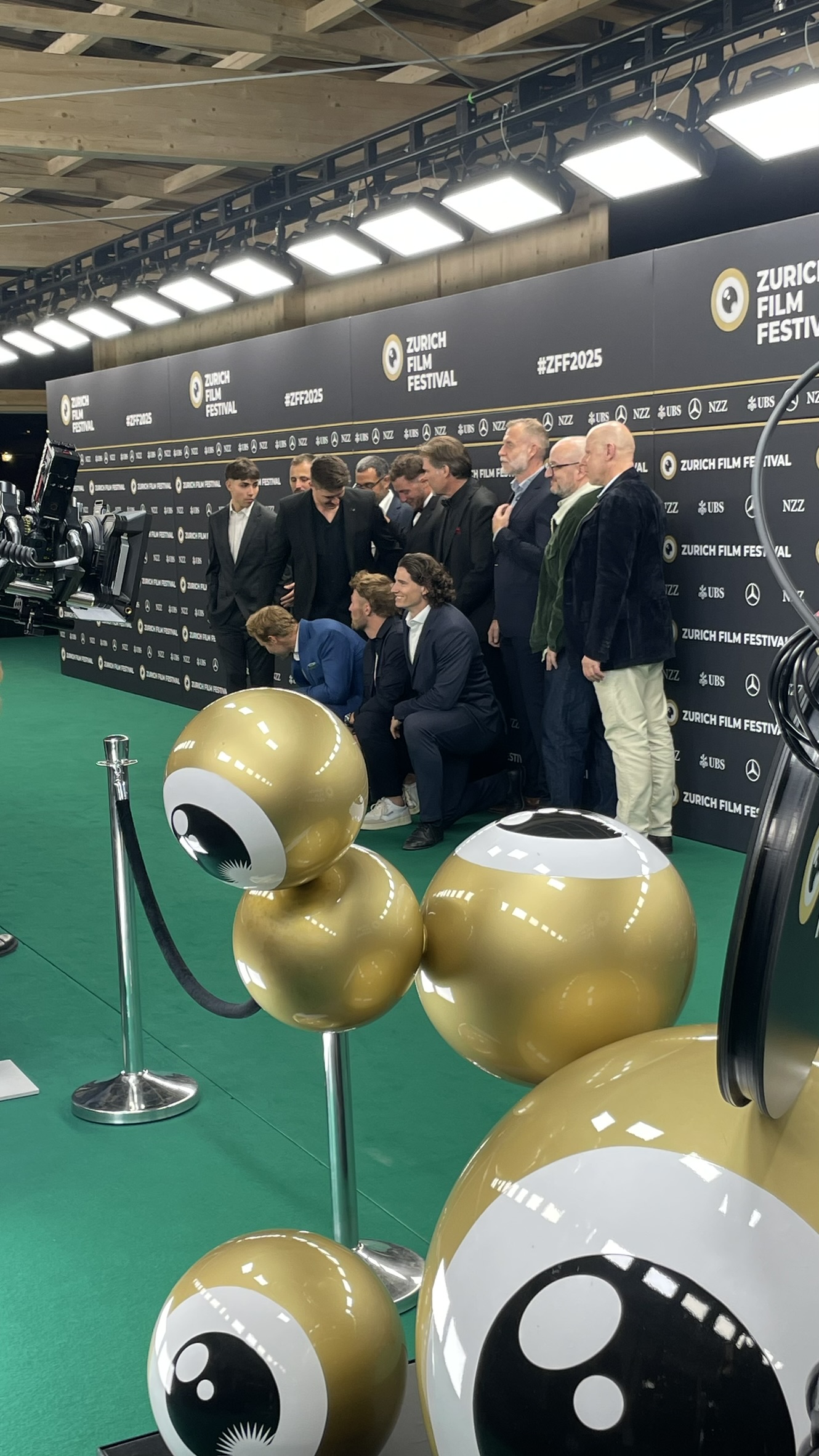
The Green Carpet carried its own sense of unreality. Four days earlier, Russell Crowe had crossed it to receive the festival’s Lifetime Achievement Award. Now I was standing there with our film team, Marco Odermatt, Franjo von Allmen, Justin Murisier, Alexis Monney and some of the defining Swiss ski legends of our time. From Klagenfurt to Zurich, from pixels to premiere: outwardly composed, inwardly still saying WAIT, WHAT?View the Downhill Skiers project
04LightBox ExpoFirst live interview. Entire internet.+
Before the screen went live, I was properly nervous: someone from a clearing in the mountains of southern Austria — the Gurktal, a valley so quiet it makes the rest of Carinthia look metropolitan — about to speak on an international stage for the very first time, and in English. Then the work took over. Still, there are moments when the distance between where you started and where you are becomes briefly visible. This was one of them. Apparently, panic is bilingual.
View the KitBash3D programme
A few placesthe work has travelled.
Some projects have travelled further than I ever expected — to cinema screens, Prime Video, award lists, international interviews and one KitBash3D cover. It still feels special, and never something I take for granted.
If it’s hard to explain,it’s probably where I belong.
Start a conversation